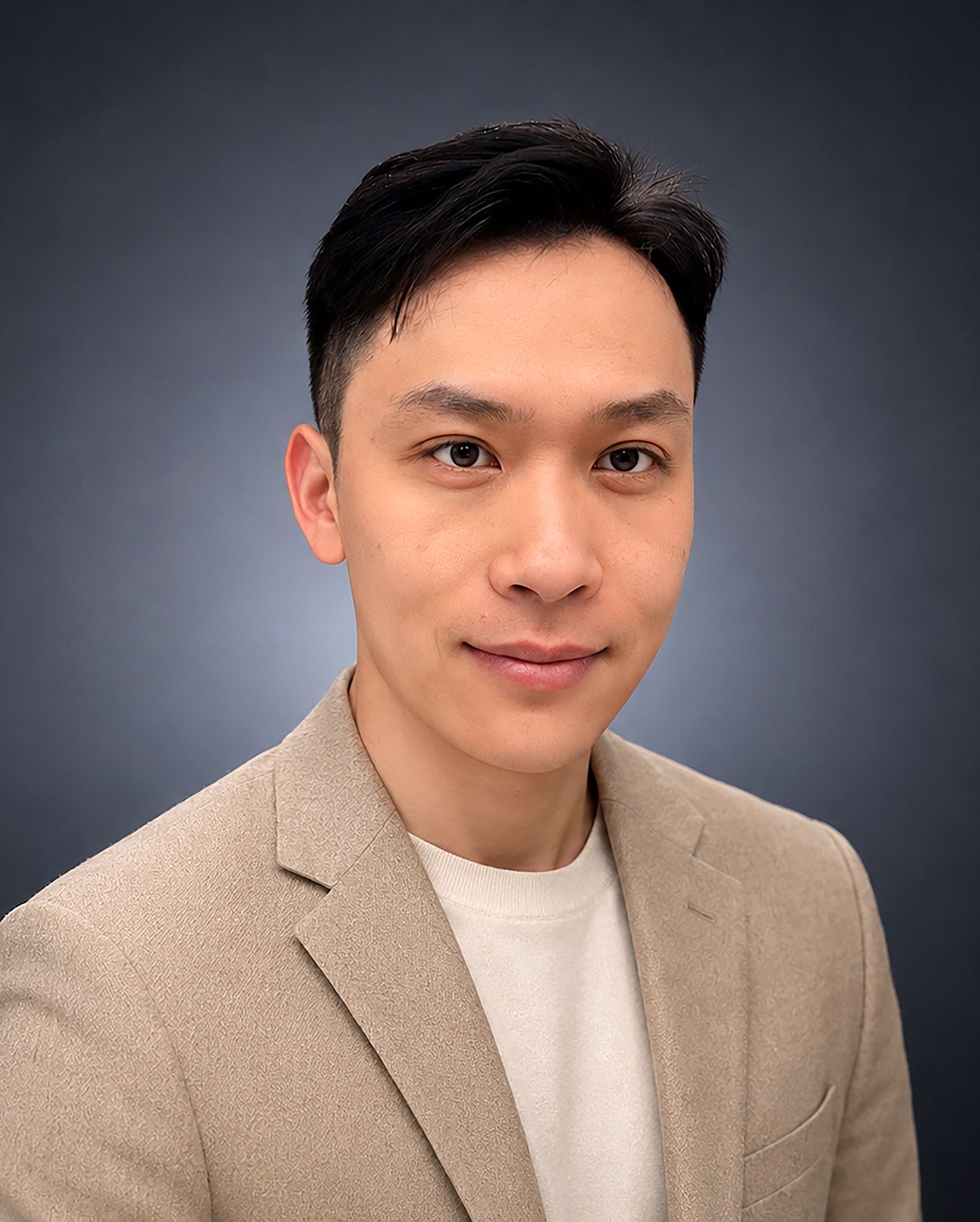
Principal Investigator
Ping Mu, PhD
Associate Professor of Urology and Pathology
Chief, Division of Urologic Sciences
Chief, Division of Urologic Sciences
Yale School of Medicine · Yale Cancer Center · New Haven, CT
Dr. Ping Mu is the Division Chief of Urologic Sciences and an Associate Professor with tenure in the Department of Urology and Department of Pathology at Yale School of Medicine and a member of the Yale Cancer Center. His lab focuses on uncovering the molecular mechanisms driving resistance to targeted and immune therapies in prostate and other cancers. The lab also pioneers innovative therapeutic strategies to overcome these resistances, employing state-of-the-art techniques, including 3D-cultured organoids, single-cell sequencing, spatial transcriptomics, and artificial intelligence. Ping's recent work has been featured in Science (2017), Cancer Cell (2020, 2023), Cancer Discovery (2024), Nature Cancer (2022), Nature Genetics (2015), Cancer Letters (2026), and Oncogene (2024).
Ping earned his PhD in Biomedical Sciences from Weill Medical College of Cornell University, followed by postdoctoral training under Dr. Charles L. Sawyers at Memorial Sloan Kettering Cancer Center. In mid-2018, he established his own independent laboratory at UT Southwestern as an assistant professor in the Department of Molecular Biology. His contributions to cancer research led to his promotion to tenured associate professor before moving his lab to Yale University.
When not immersed in science, Ping channels his creativity into 3D printing, soccer, photography, officiating weddings, handyman projects, stand-up comedy, and pest control. Above all, he cherishes spending time with his son, who dreams of a career testing waterslides professionally, and his two mischievous corgis.
Our lab is dedicated to uncovering the molecular mechanisms that drive resistance to targeted and immune therapies in prostate and other cancers. We are also pioneering innovative therapeutic strategies to overcome these resistances, utilizing a range of state-of-the-art techniques, including 3D-cultured organoids, single-cell sequencing, and spatial transcriptomics. Our recent work has been published in top-tier journals such as Cancer Cell (2020, 2023), Cancer Discovery (2024), Nature Cancer (2022), and Oncogene (2024).
Our lab investigates the molecular mechanisms driving therapy resistance in prostate and bladder cancers, with particular emphasis on lineage plasticity, epigenetic rewiring, and mutagenesis. We aim to unravel how lineage transitions contribute to resistance and to identify novel combination strategies that can prevent or reverse these adaptive states. By leveraging CRISPR-based Perturb-seq in 3D organoid models, we systematically dissect the function of novel tumor suppressors and oncogenes and uncover resistance drivers to AR-targeted and immune therapies. These efforts are complemented by studies on tumor evolution, heterogeneity, and the mechanisms promoting genomic instability under therapeutic pressure.
Understanding how prostate and bladder cancers interacts with and remodels its microenvironment is central to our research. We study how tumor-intrinsic factors modulate immune evasion and reprogram stromal and immune cell populations to support resistance. To achieve spatial and single-cell resolution, we perform integrative single-cell and spatial transcriptomic profiling of clinical specimens. These analyses, coupled with advanced machine learning, allow us to construct detailed cellular atlases of prostate tumors and their microenvironments, guiding the discovery of microenvironment-informed therapeutic strategies.
Our lab develops and applies proprietary AI models tailored for prostate and bladder cancers, integrating single-cell and spatial transcriptomic data from FFPE samples and patient-derived organoids to predict molecular subtypes and therapy response. These tools power a precision oncology framework that enables data-driven treatment selection. In parallel, we generate patient-derived 3D organoids as functional avatars to test therapeutic efficacy and resistance. By combining organoid-based drug testing with AI-guided prediction, we aim to deliver individualized, evidence-based treatment strategies for prostate cancer patients.